
Our games-based approach
To engage & activate client audiences by harnessing the engagement power of fun digital games to: increase knowledge, encourage friendly competition and collaboration, and motivate behaviour change in relation to specific sustainability topics like waste segregation or sustainable energy use.
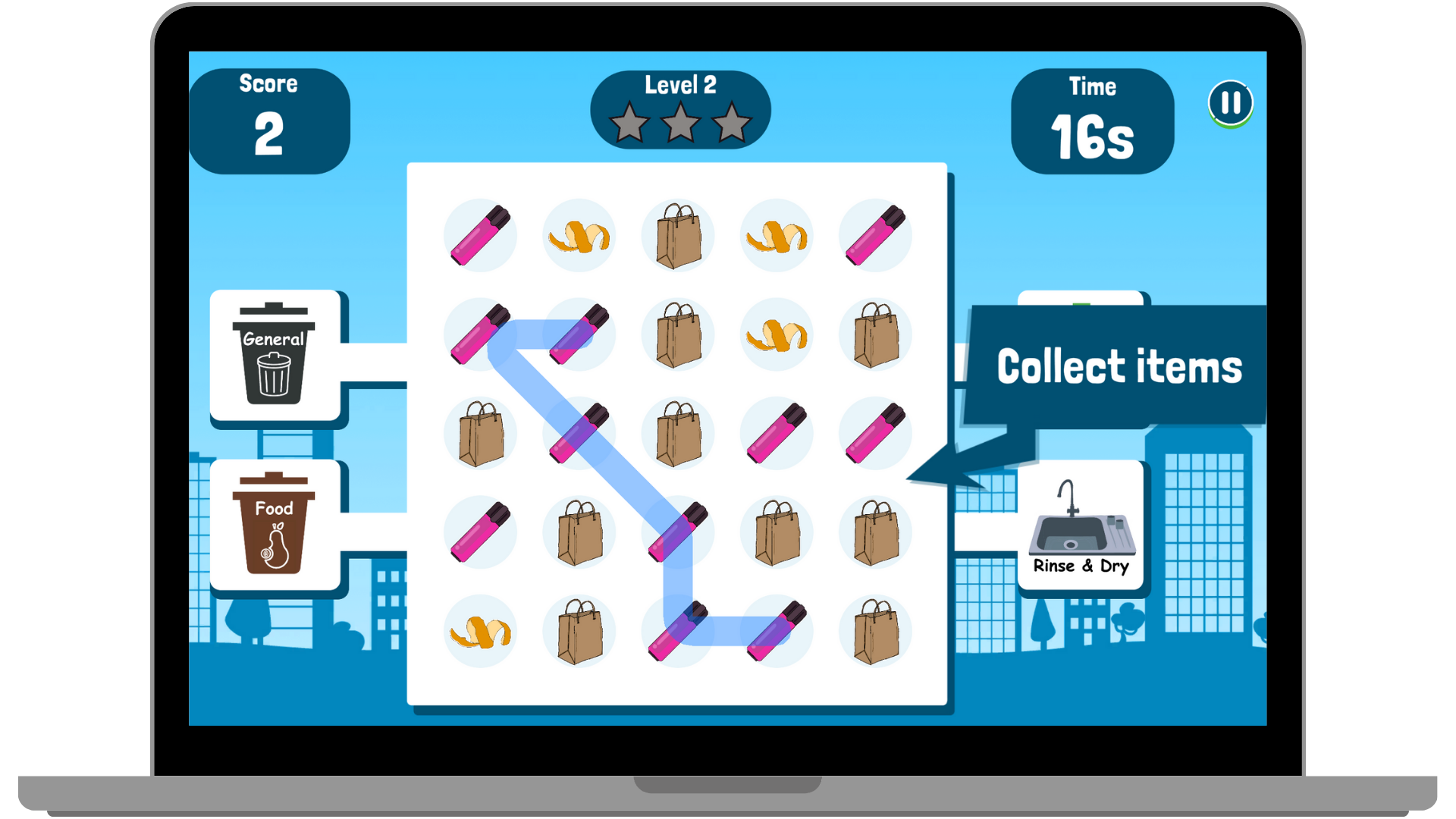
It has to be fun!
At Bold Donut we work hard to ensure that we get the right balance of fun and impactful with our games.
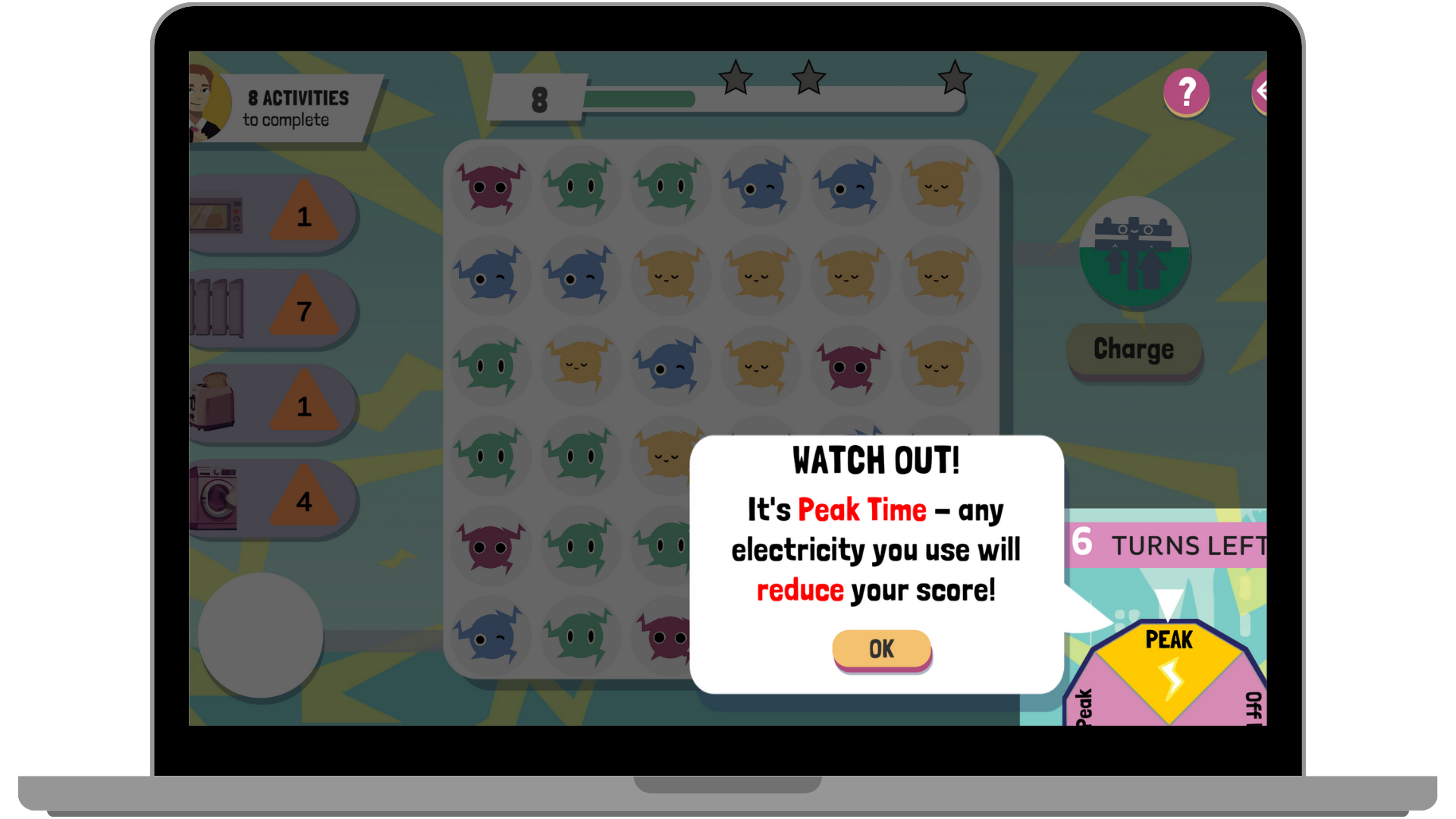
Accessible & Relevant
Our games-based approach makes the complex or boring accessible and relevant to your audience.
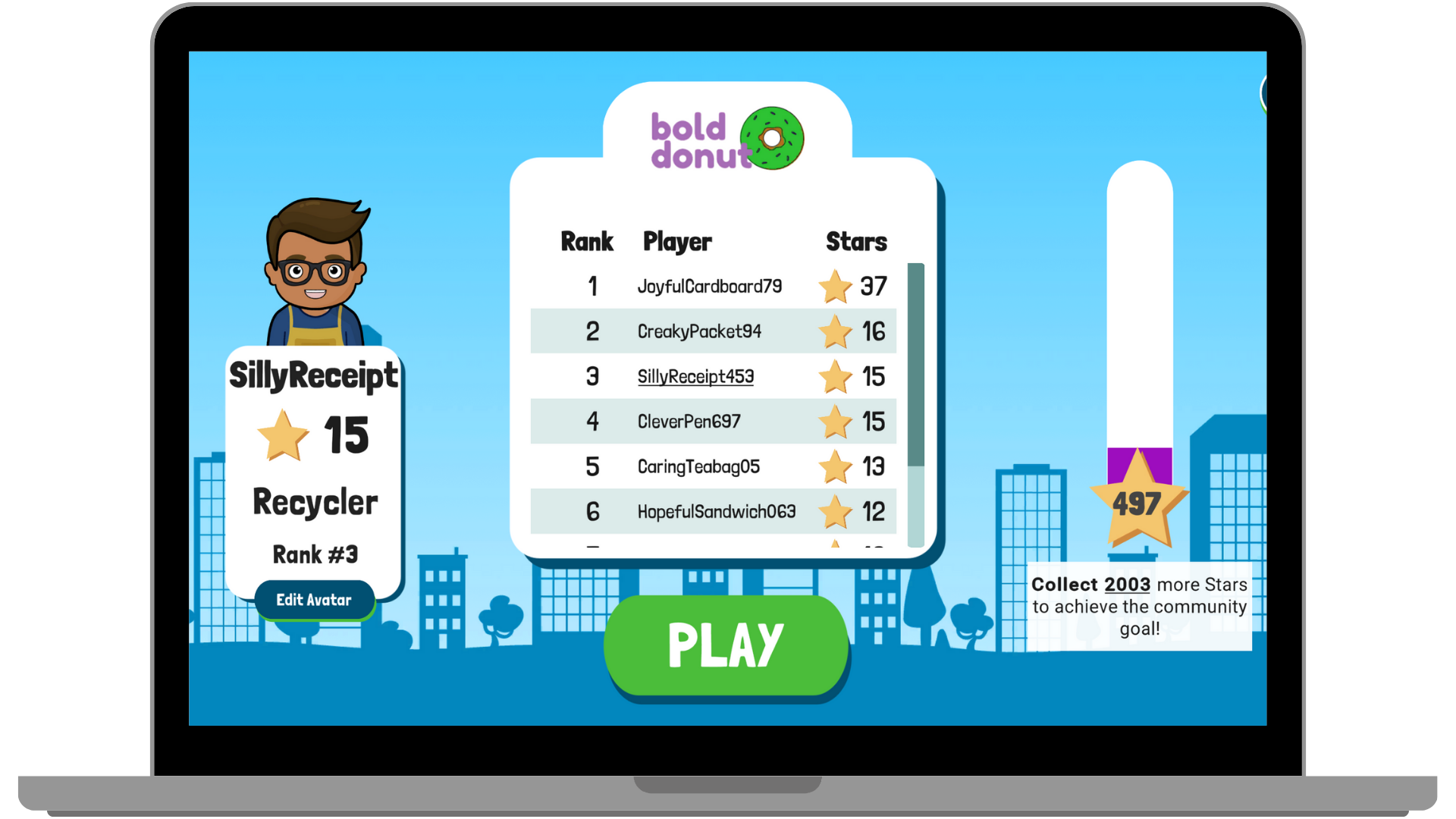
Scalable
The only way to effect change is to get everyone on board - that’s why we build for mass engagement.
Impact of our game-based solutions
Waste Engagement & Education
Not another training!
When we asked 50+ sustainability managers what topic they wanted to engage their colleagues with first - most of them said waste segregation in the workplace.
Why? Because it’s visible, it’s frustrating, and it’s actionable.
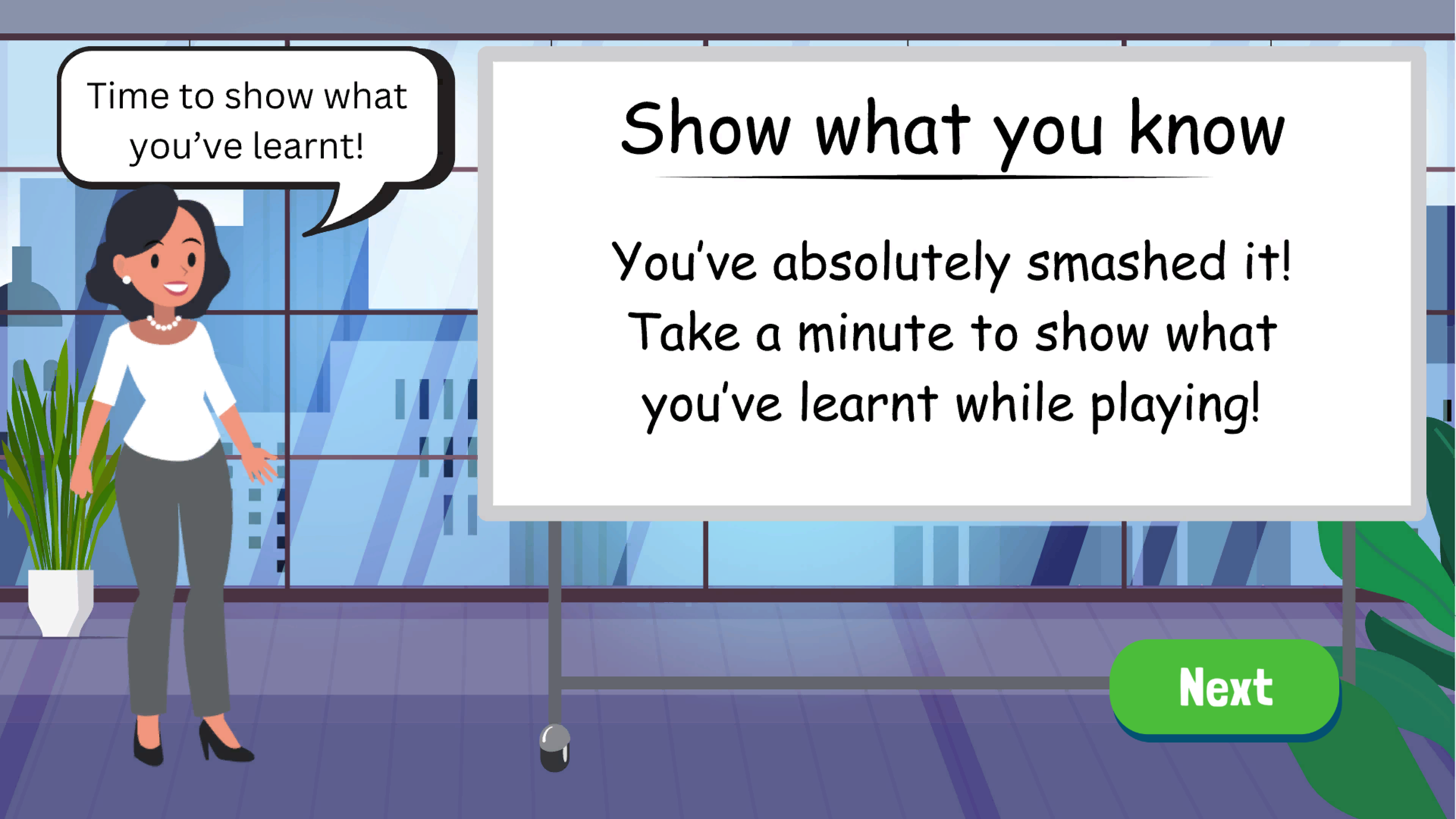
How it works
A typical waste game project can be delivered within 6-8 weeks from kick-off to campaign report. This timeframe can change depending on the organisation and their processes and the level of additional customisation required.
1.
We talk with you to understand your context, goals, and brand.
2.
We coordinate with IT, data protection, and accessibility teams.
3.
We customise for your brand, waste systems, and learning goals.
4.
We support the campaign launch and the live game with your comms team.
5.
We collect, analyse, and report on key engagement and learning data.
6.
We help to demonstrate impact and optimise for future campaigns.
Since it's launch in 2023, our customisable waste game has been used as part by universities and colleges to engage and educate staff, by employees as part of sustainability engagement campaigns in banks, consultancies and insurance firms and even as part of the Regional Waste Management Planning Offices (MyWaste.ie) national campaign "Take a Minute, Before You Bin It".
If you would like to see an example of a waste game project you can check out our case studies with KPMG Ireland for an corporate office example or Trinity College Dublin for an example of the waste game engaging an audience in the education sector.